Autistic Barbie: Representation vs. Reality and Why Autism Visibility in Toys Matters

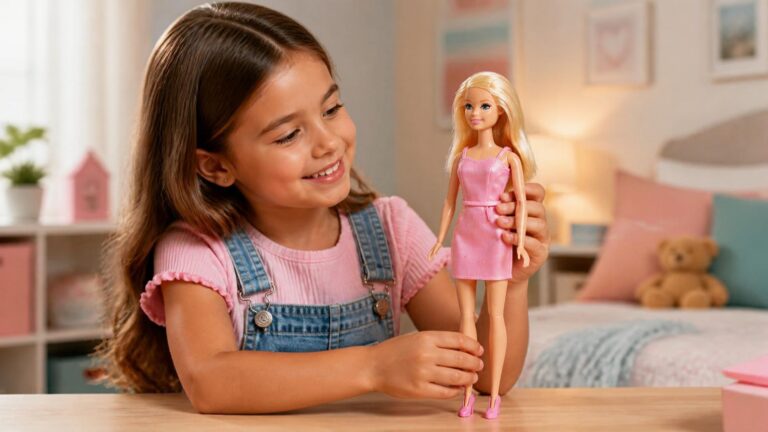
Barbie‑style doll representing the autistic Barbie, a doll created to represent girls with autism

Table of Contents

Why does autism representation in toys matter for children and families?

Autism shapes how many children experience the world, and parents often become deeply aware of how representation (or the lack of it) shows up in daily life. For children, the toy aisle is a place where imagination takes place, and where early ideas about identity, belonging, and difference quietly form. That’s why the introduction of the Autistic Barbie has sparked so much conversation.

Since the launch of this doll, many families have asked the same question: Why does autism representation in toys matter for children and families? One of the simplest reasons is that toys help children understand who they are and how they fit into the world. When a child sees themselves or learns about others through play, those lessons tend to stick more than a conversation.

Another reason, a more layered one, is that the Autistic Barbie is not just another doll; it teaches us about visibility, understanding, and learning to hold space for differences, even when representation isn’t perfect.

This article by ABA Centers of Connecticut explores what Autistic Barbie represents, why autism representation matters, and how play and evidence-based support must work together to promote true autism acceptance and respect for autism diversity.

What Is the Autistic Barbie?

The Autistic Barbie is part of the inclusive Barbie Fashionista line, Mattel’s effort to reflect real-world diversity in its lineup. The doll, which was designed with input from autism advocates, is intended to acknowledge autism as part of everyday life.

For many parents of children with autism, simply seeing a Barbie with some similarities to their child on store shelves feels meaningful. Autism has long been under or misrepresented, introducing it through a familiar toy helps bring the concept into everyday conversations at home.

At the same time, the doll has sparked thoughtful questions: What does it mean to represent autism? Who decides what autism “looks like”? These questions don’t take away from the doll’s value but deepen the conversation around autism representation in toys.

Features of the Autistic Barbie

One reason the Autistic Barbie has drawn so much attention is its intentional design. The doll includes elements inspired by real experiences commonly associated with autism, particularly around sensory needs and communication.

Some of the features include:

  • Flexible arms and wrists: The doll’s joints have a range of natural movements, which allow repetitive movements that some individuals with autism use to self-regulate or show excitement or enthusiasm.
  • Soft, sideways glance: Rather than looking straight ahead, the doll’s eyes are angled slightly to the side, reflecting that some people with autism feel more comfortable with indirect eye contact.
  • Fidget toy: Included to represent one of the sensory tools that many autistic people use to help stay calm, focused, or grounded during everyday activities.
  • Noise-reducing headphones: Over-ear headphones are part of the design, acknowledging how sound sensitivity can affect some autistic children and how headphones are often used to manage overwhelming noise.
  • Communication device: The doll comes with a tablet featuring AAC symbols, highlighting that some individuals rely on alternative or assistive communication methods to express themselves.
  • Comfort-first clothing: The outfit is designed with a relaxed fit and simple silhouette, paired with flat shoes, emphasizing ease of movement and reduced sensory discomfort.
Colorful letters spelling out “embrace the difference,” a thought sparked by the Autistic Barbie release

It’s important to remember that these features are not meant to describe every person on the spectrum. Instead, they highlight experiences that are familiar to many families while staying accessible to children who may be learning about autism for the first time.

Can One Doll Represent the Autism Spectrum?

Autism is a spectrum, which means it includes a wide range of strengths, challenges, communication styles, and sensory experiences that cannot be represented in one doll.

Some children with autism are highly talkative, while others communicate in nontraditional ways. Some seek sensory input, while others avoid it. Personalities, interests, and support needs vary. There is no single way autism looks or feels.

That’s why it’s helpful to see the Autistic Barbie not as a definition, but as a starting point. It opens space for conversations about differences and reminds children that people experience the world in many ways.

Listening to Different Perspectives About the Autistic Barbie

For many parents, part of the conversation around the Autistic Barbie has been about hearing different opinions from within the autism community itself. Some families and adults with autism have shared that they feel represented and encouraged by the doll, while others point out that it doesn’t look or feel like their own child’s or even their own experience.

What these varied reactions ultimately show is something parents of children with autism, and autistic adults already know well: no single doll, character, or symbol could ever reflect every child on the spectrum, and that doesn’t mean it’s getting it wrong. Instead, it reminds us that autism is deeply individual, and that representation can exist without being a perfect match for everyone.

Why Inclusive Toys Matter for Children with Autism Development

Inclusive toys play an essential role in how children understand themselves and others. For children with autism, seeing toys that acknowledge neurodiversity can support self-esteem and identity development; it sends a quiet but powerful message: you belong here, just as you are.

For neurotypical children, inclusive toys help normalize differences early. When kids grow up seeing diversity in their everyday lives, they’re more likely to approach differences with curiosity rather than fear.

That is why autism acceptance goes beyond simply understanding what autism is; it means recognizing autism as an essential part of human diversity.

The Role of Play in ABA Therapy
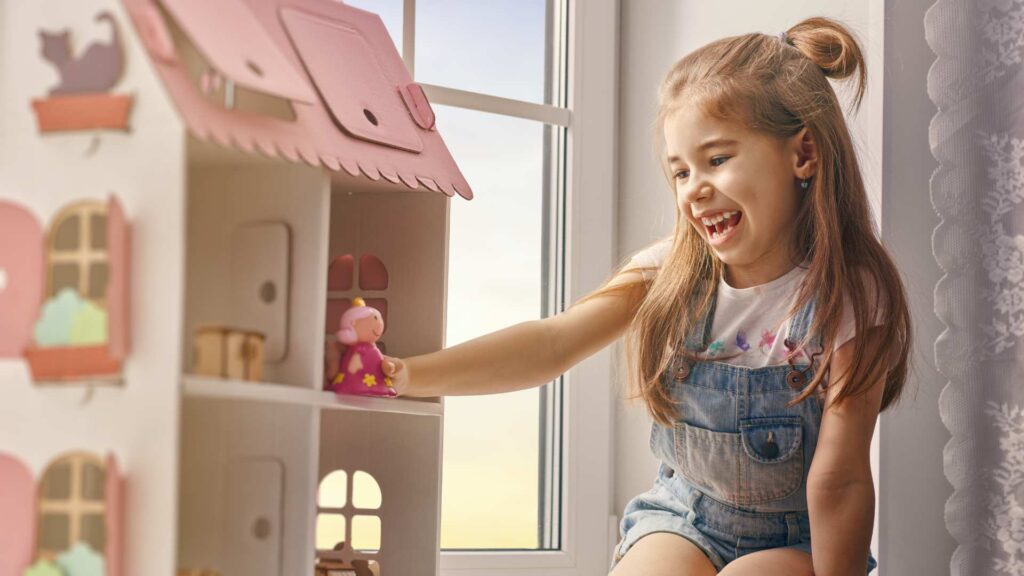
A child playing with a dollhouse reflects how simple moments of play can support ABA therapy. The image ties into the introduction of the Autistic Barbie, celebrating toys that embrace neurodiversity

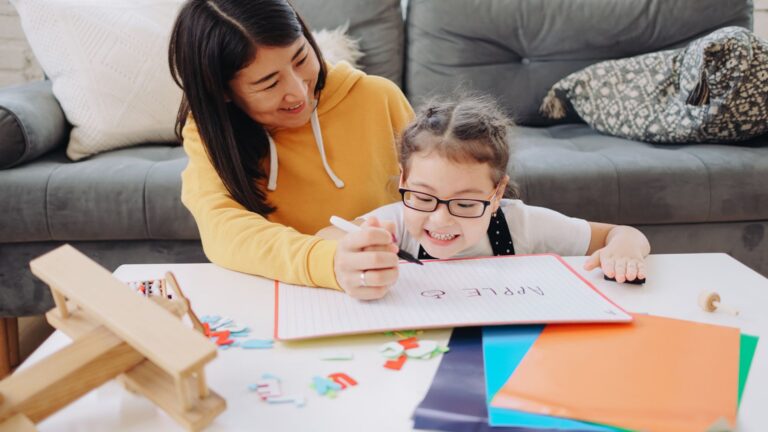
Children learn most effectively through play. Play-based ABA therapy uses interactive and enjoyable activities as the foundation for building skills in a natural, engaging way.

Through play-based approaches, ABA therapy can support:

  • Communication and language development
  • Social skills like sharing and turn-taking
  • Emotional regulation and coping strategies
  • Reduction of challenging behaviors

Toys, including dolls like the Autistic Barbie, can be used during therapy sessions to model routines, practice social situations, or explore emotions safely. When children feel comfortable and engaged, learning tends to happen more naturally.

Moving Forward with Support and Understanding

If the Autistic Barbie has sparked questions or reflection in your family, that’s a positive step. Curiosity often leads to understanding, and understanding leads to better support.

If you are in Connecticut, ABA Centers of Connecticut provides services such as diagnostic testing, early intervention, and ABA therapy for children, teens, and adults with autism. Whether you’re early on the journey or looking for additional guidance, our professionals can help you navigate the next steps with confidence. Reach out to us by calling us at (844) 395-0448, or schedule a free consultation here.

Representation can start the conversation—but informed care and compassionate support help families move forward.
Scroll to Top