

Table of Contents
Thanksgiving often brings warmth, gratitude, and togetherness: the hum of conversation, the aroma of favorite dishes, and the comfort of long-standing traditions. Yet for many families navigating autism and Thanksgiving, the joy of the season can be mixed with uncertainty and lots of stress. How do you balance the excitement of celebration with the need for calm and predictability?
At ABA Centers of Connecticut, we know that every child experiences the holidays differently. Keep reading this blog and discover how, with the proper preparation and understanding, families can transform Thanksgiving into an actual sensory-friendly holiday, one filled with comfort, laughter, and connection.
The Connection Between Autism and Thanksgiving
Thanksgiving is more than a great meal; it’s a whole sensory experience. From the buzz of the kitchen to the chatter of relatives, this holiday engages all five senses. For people with autism, these sensory layers can quickly become overwhelming. Studies show that up to 90% of individuals with autism experience differences in sensory processing.
Sudden changes in schedule, new foods, or loud environments may cause distress, even when surrounded by loving family. The goal isn’t to avoid the holiday, but to adapt it.
By reframing expectations and preparing thoughtfully, families can make autism and Thanksgiving coexist beautifully, where every person feels safe, supported, and celebrated.
In Connecticut, many families embrace mindfulness and inclusion during the holidays. These values mirror the compassion behind ABA therapy: that every child deserves to feel understood, supported, and empowered to enjoy traditions their own way.
Reimagining a Sensory-Friendly Holiday
A sensory-friendly holiday begins with awareness. It means understanding what might overwhelm your child and adjusting the environment accordingly, not by limiting joy, but by redefining it.
Blend Predictability with Flexibility
Thanksgiving often disrupts routines, which can be tough for children with autism. Keep consistent parts of the day, like breakfast time or a favorite morning show, while introducing small changes gradually. Use visual schedules or photos to help your child anticipate the day’s flow.
Transform the Atmosphere
For a truly sensory-friendly holiday, pay attention to environmental details. Lower background noise, use softer lighting, and offer noise-canceling headphones if needed. Choose cozy, familiar clothes over “dressy” outfits to keep your child comfortable throughout the day.
Create Comfort Corners
Set aside a quiet, cozy space, a “Thanksgiving retreat” where your child can unwind. This space could include weighted blankets, calming music, fidget toys, or a favorite book. Explain to guests that it’s not a timeout space but a sensory-safe zone.
Honor Familiar Flavors
It’s perfectly okay if your child prefers their go-to food. You can encourage exploration by placing one familiar and one new item side by side. Food variety grows over time, not overnight! The goal of a sensory-friendly holiday is enjoyment, not perfection.
Five Sensory-Friendly Tips for a Peaceful Thanksgiving
And while the earlier suggestions help set the foundation for a smoother day, many families find it helpful to add a few more practical tools to their holiday toolkit. To deepen your sensory-friendly holiday preparation, here are five additional tips that can help your child feel grounded and confident throughout the celebration.

Prepare Through Play and Stories
Before Thanksgiving, use social stories or role-playing games to practice what will happen, sitting at the table, greeting family, or waiting for food. In those, you’ll find excellent visual supports that make preparation easier and more engaging.
Choose “Calm over Perfect”
Perfection is overrated; calm is priceless. Lower your expectations for timing or table manners. Instead, focus on shared smiles, participation, and moments of connection that make autism and Thanksgiving celebrations meaningful.
Pack a Sensory Bag
Bring comfort tools such as noise-canceling headphones, fidget toys, a tablet, or a favorite snack. Having these items accessible can help regulate emotions and prevent overstimulation.
Use Gentle Transitions
Let your child know what’s coming next. Verbal cues (“We’ll leave in 10 minutes”) or visual countdowns help support predictability and emotional stability during a sensory-friendly holiday.
Celebrate Successes — Big and Small
If your child tries one new food, stays at the table briefly, or interacts with family members in their own way, that’s a victory. Small steps create meaningful progress, especially during autism and Thanksgiving gatherings.
Making Gratitude and Connection Inclusive
Every family expresses gratitude differently, and that’s what makes autism and Thanksgiving so meaningful. While some may say what they’re thankful for aloud, others might draw a picture, share a quiet smile, or sit beside loved ones.
Please encourage your child to express thankfulness in their own way. Maybe they’d like to build a “gratitude jar,” make art, or write a short note about what they enjoy most this time of year. These gestures are at the heart of an inclusive, sensory-friendly holiday.
In Connecticut, where community and compassion often go hand in hand, more families are embracing flexible traditions that honor both celebration and calm. The holidays can look different and still be completely beautiful.
How ABA Therapy Can Help During Thanksgiving and Beyond
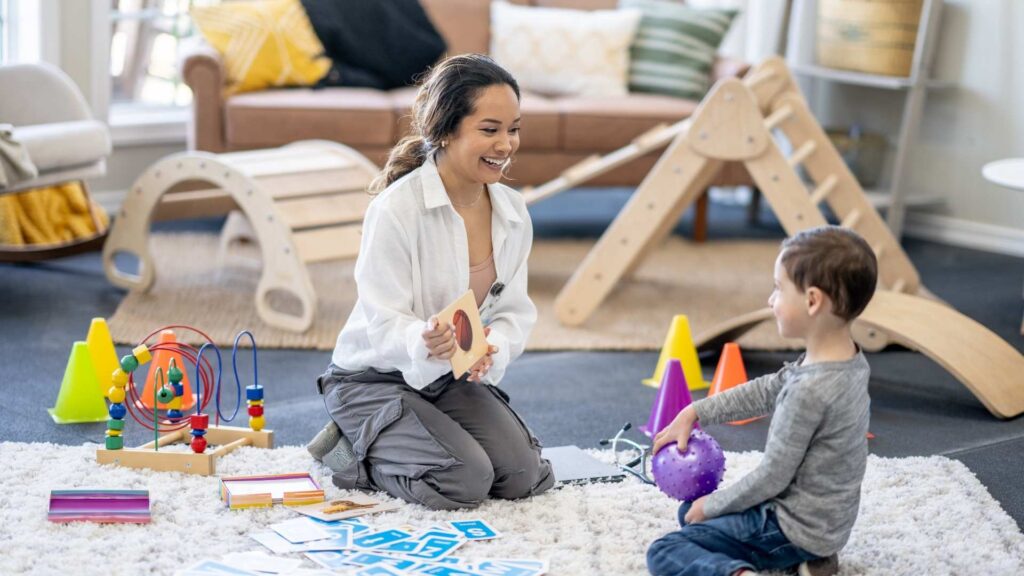
Navigating autism and Thanksgiving doesn’t have to be overwhelming, especially with the right tools in place. Applied Behavior Analysis (ABA) Therapy offers structured, evidence-based strategies that help children build communication, social, and emotional regulation skills.
At ABA Centers of Connecticut, our team focuses on empowering families before, during, and after the holidays. Through ABA therapy, children learn how to:
- Communicate their needs clearly (e.g., “I need a break,” or “That’s too loud.”)
- Practice emotional coping skills in real-world situations
- Engage in group activities with confidence and independence
- Adapt to transitions and new environments with less stress
The skills gained through ABA Therapy extend far beyond a sensory-friendly holiday; they support lifelong growth, confidence, and connection.
If your family is preparing for autism and Thanksgiving this year, remember that you’re not alone. Our specialists are here to help you create experiences filled with balance, peace, and joy.
Ready to know more about how ABA Therapy can make the holidays easier?
Schedule a free consultation with us by clicking here or calling us at (844) 395-0448 to find the best support plan for your child. Together, we can turn challenges into cherished moments, during Thanksgiving and every day after.
A Season for Every Family
There’s no single way to celebrate Thanksgiving. The most important thing is making moments that feel genuine and enjoyable for everyone at the table. Everything counts in holidays that are about connection, and connection always begins with understanding!
This year, let’s make autism and Thanksgiving a celebration of inclusion, patience, and love: an actual sensory-friendly holiday that reminds us all what thankfulness really means.