

How Can I Help My Child with Autism Cope with Back-to-School Anxiety?
Parents can help students with autism manage back-to-school anxiety by preparing for changes in advance, rebuilding familiar routines, using visual supports, and working closely with their child’s school team. Giving your child opportunities to become familiar with their schedule and environment can also make the return to school feel more predictable.
The start of a new school year can bring excitement, but it also introduces many changes at once. New teachers, classmates, classrooms, schedules, and expectations can make returning to school feel overwhelming for some children with autism.
The National Autistic Society explains that many people with autism prefer order, predictability, and routine. A back-to-school routine can provide structure and help manage uncertainty, so preparing ahead for changes may be helpful.
If you’re wondering how to make the return to school easier for your child, preparation is a good place to start. In this guide, ABA Centers of Connecticut shares six practical ways families can support children as they get ready for another school year.
Why Can Students with Autism Experience Back-to-School Anxiety?

Back-to-school anxiety can develop when returning to school introduces unfamiliar routines, environments, sensory experiences, or social expectations. For some children with autism, having several of these changes happening at once may feel especially difficult. Understanding what is making your child uneasy can help you provide support that fits their individual needs.
Anxiety disorders are common among individuals with autism. A systematic review cited by the Autism Research Institute evaluated 31 studies involving 2,121 people under age 18 with autism and found that approximately 40% had at least one anxiety disorder. However, anxiety can look different from one child to another.
Factors that may contribute to school-related anxiety include:
- Sensory demands from crowded hallways, bells, bright lights, or unfamiliar environments
- Communication needs that can make expressing worries or asking for help more difficult
- Social demands related to classmates, teachers, or group activities
- Changes in routine, including new schedules, classrooms, or expectations
The National Autistic Society identifies sensory environments, difficult social situations, and unexpected changes to routines as factors that can increase anxiety for some people with autism.
What Are the Signs of Back-to-School Anxiety?
Back-to-school anxiety can look different for every child. Parents may notice changes in mood, sleep, appetite, behavior, or willingness to talk about school. For students with autism, increased repetition or a stronger need for familiar routines may also appear when anxiety increases.

5. Build Strong School Partnerships
Your child’s teachers and support team can better prepare when they understand your child’s strengths, communication style, needs, and strategies that work well at home.
Before school starts, consider:
- Sharing important information about your child
- Reviewing their IEP or 504 accommodations, when applicable
- Discussing communication preferences
Agreeing on how and when the school will communicate important updates with you.
A preliminary study published in Journal of Autism and Developmental Disorders included 49 parents and 26 teachers and found that a family-school consultation model increased teachers’ reported communication with parents, although parents did not report the same increase. The findings highlight both the value and complexity of building effective home-school communication.
6. Recognize and Celebrate the Small Steps
Returning to school is an adjustment, so progress does not need to happen all at once. Notice the steps your child takes along the way, whether that’s completing the morning routine, entering the building, asking for help, or participating in an activity.
Positive reinforcement is one strategy used in ABA to strengthen skills and behaviors that are meaningful for the individual child. Progress should always depend on your child’s goals rather than comparisons with other students.
How Can ABA Therapy Help Children Prepare for School?
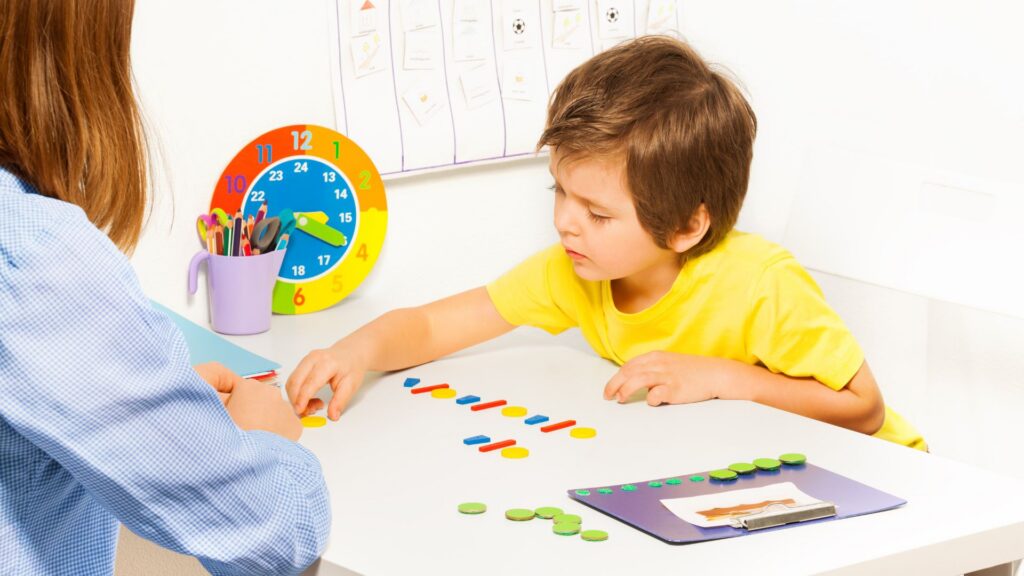
ABA therapy can help students with autism build skills they may use throughout the school day, including communication, following back-to-school routines, navigating changes, and developing greater independence. The specific skills addressed depend on each child’s individualized treatment plan, strengths, needs, and family priorities.
Depending on a child’s goals, ABA therapy may support skills related to:
- Asking for help and communicating needs
- Following everyday back-to-school routines and directions
- Building independence with daily tasks
- Practicing social interactions
- Developing strategies for challenging situations
A 2024 study published in BMC Psychology found improvements in social, communication, emotional, and some daily living skills among children who participated in the ABA program studied.
Get Support for Back-to-School Anxiety from ABA Centers of Connecticut
Every child with autism experiences returning to school differently. Preparing ahead, creating predictability, and communicating with your child’s educational team can help you better understand what support they may need as the new school year approaches.
At ABA Centers of Connecticut, our BCBAs and RBTs provide individualized ABA therapy based on each child’s strengths, needs, and meaningful goals. Whether your child is preparing for their first school experience or working on skills that support everyday independence, our team is here to partner with your family.
Contact us today to learn how individualized ABA therapy can help your child start the school year with confidence. Call (844) 395-0448 or visit us here!
Together, we can make this school year a success story.