Table of Contents
How Does Music Therapy for ASD Work?
When a child begins to hum along to a melody or tap rhythmically on a table, something deeper than entertainment is happening. For many children with autism, music becomes a pathway to connection. So, how does music therapy for ASD work?
At its core, music therapy for ASD uses structured musical interaction—rhythm, melody, repetition, and guided participation—to support communication, emotional regulation, motor development, and social engagement. Unlike casual music exposure, therapy sessions are intentionally designed by trained professionals to meet specific developmental goals.
Research continues to explore the neurological and behavioral impact of music-based interventions. A study published in Frontiers in Integrative Neuroscience explains that music activates widespread neural networks involved in emotion, movement, and social processing, offering a biological explanation for why music therapy for ASD may be effective in supporting development.
Keep reading this blog by ABA Centers of Connecticut and discover why, for families seeking structured, creative interventions, autism support with music therapy can be both hopeful and practical, especially when integrated into a broader care plan.
Understanding the Evidence Behind Music Therapy for ASD
Music therapy has been part of autism interventions for decades. According to a comprehensive review from Cochrane, music therapy has been used in autism care since the early 1950s and may help improve social interaction, communication skills, and the quality of parent-child relationships.
The National Library of Medicine examined multiple studies and found that music therapy may help children with autism improve verbal and nonverbal communication, social engagement, and emotional reciprocity, with no reported adverse effects.
Additionally, an in-depth case study on structured musical sessions documented measurable improvements in eye contact, expressive communication, and social participation in a child with autism following repeated sessions.
Together, these findings suggest that music therapy for ASD is more than enrichment; it can be a targeted intervention that contributes to meaningful developmental progress. For families exploring autism support with music therapy, these insights provide an encouraging view into what might be a great treatment option for their child.
What Happens During a Music Therapy Session?
Parents often wonder what actually takes place during music therapy for ASD sessions.
While each plan is individualized, sessions may include:

Active Music-Making
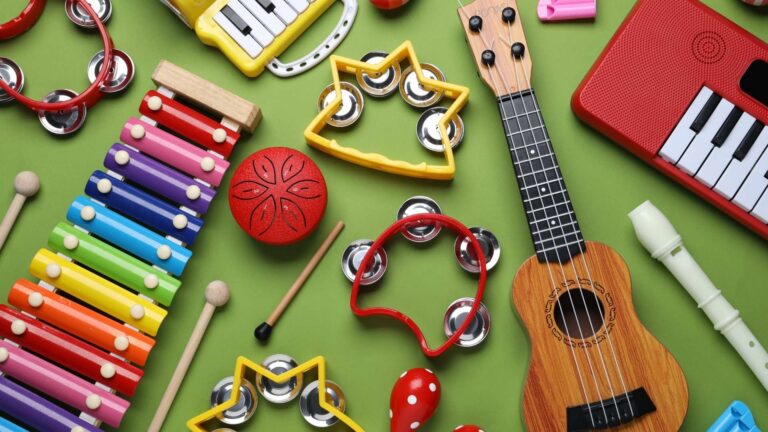
Children may sing, play percussion instruments, or participate in guided improvisation. These activities can encourage imitation, turn-taking, and shared attention, skills that are foundational in both music therapy and broader autism support with music therapy strategies.
Rhythm and Movement Activities
Clapping patterns, drumming sequences, or coordinated movement exercises help strengthen motor planning and focus.
Song Adaptation and Structured Communication
Therapists may adapt familiar songs to practice greetings, requests, or emotional labeling, reinforcing communication in a predictable format.
Parent Involvement
Some sessions incorporate caregivers, strengthening bonding and helping generalize skills beyond the therapy room.
The structure of music therapy for ASD allows learning to feel natural and engaging rather than pressured.
Does Music Therapy Help with Sensory Sensitivities?
Many children with autism experience elevated sensory sensitivities. Sound can sometimes feel overwhelming, but structured musical experiences may actually support regulation.
Music provides rhythm and predictability. Therapists often begin by matching the child’s emotional or sensory state and then gradually adjust tempo or volume to promote calmness or engagement. According to BJPsych Advances, music therapy may support emotional understanding and regulation in people with autism, potentially enhancing responsiveness to social and emotional cues.
For families considering autism support with music therapy, this sensory-regulation element can be particularly valuable during transitions, stressful situations, or emotional dysregulation.
Is Music Therapy a Replacement for ABA Therapy?
This is a common and important question.
While music therapy for ASD offers promising developmental benefits, it is not considered a replacement for Applied Behavior Analysis (ABA). ABA therapy remains one of the most studied and widely implemented evidence-based interventions for children with autism.
ABA focuses on measurable skill development in areas such as:
- Functional communication
- Social interaction
- Daily living skills
- Behavior management
Music therapy can complement ABA by reinforcing similar goals through creative engagement. For example, a child learning to request items verbally in ABA might practice similar communication through structured singing exercises in music therapy.
When integrated thoughtfully, autism support with music therapy and ABA therapy can work together to provide comprehensive support.
At What Age Can Children Start Music Therapy?
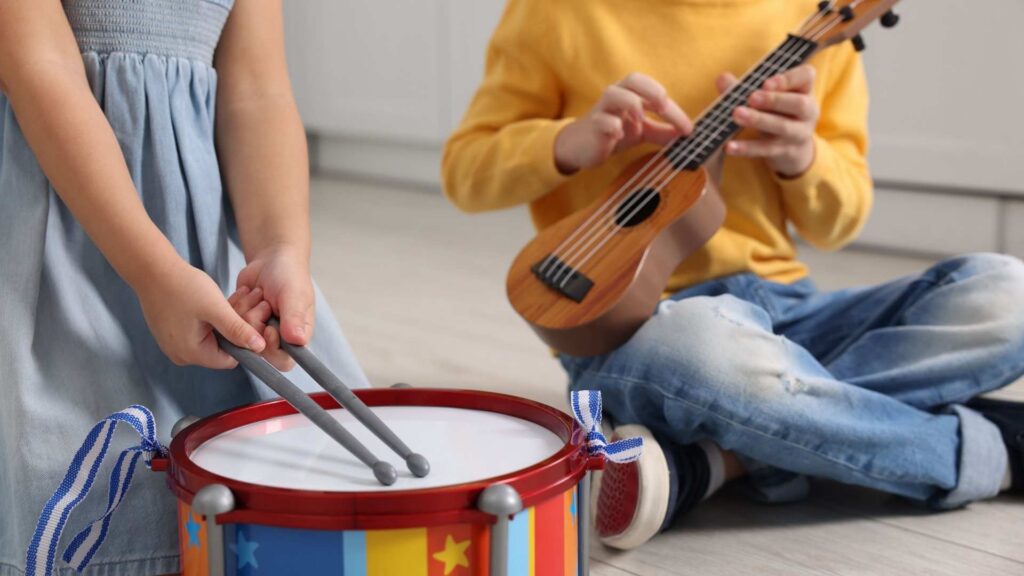
Children can begin music therapy for ASD as early as toddlerhood, depending on developmental readiness. Early exposure to structured interaction may support emerging communication and joint attention skills.
Young children might participate in simple call-and-response songs or rhythmic imitation. As children grow, therapy can incorporate more complex musical and social goals.
There is no universal starting age for autism support with music therapy. A professional evaluation helps determine readiness and appropriate therapeutic objectives.
4 Core Benefits of Music Therapy for ASD
When delivered consistently and strategically, music therapy for ASD may support:
Communication Development
Repetition in songs provides natural opportunities for practicing words and sounds in a lower-pressure context.
Social Engagement
Group music activities encourage cooperation, shared focus, and interaction.
Emotional Expression
Music offers a safe medium for expressing feelings that may be difficult to verbalize.
Motor Coordination
Instrument play and rhythmic movement strengthen fine and gross motor skills.
Through structured implementation, autism support with music therapy can address multiple developmental domains simultaneously.
How ABA Therapy Supports Children with Autism
While creative therapies can be meaningful, structured behavioral support remains essential for many children.
At ABA Centers of Connecticut, ABA therapy is individualized to help children with autism build critical life skills, reduce behaviors that interfere with learning, and increase independence. Our experts conduct thorough assessments to determine which interventions best meet your child’s needs.
For some families, combining ABA therapy with complementary options like music therapy for ASD creates a balanced plan that addresses both structured skill acquisition and creative expression.
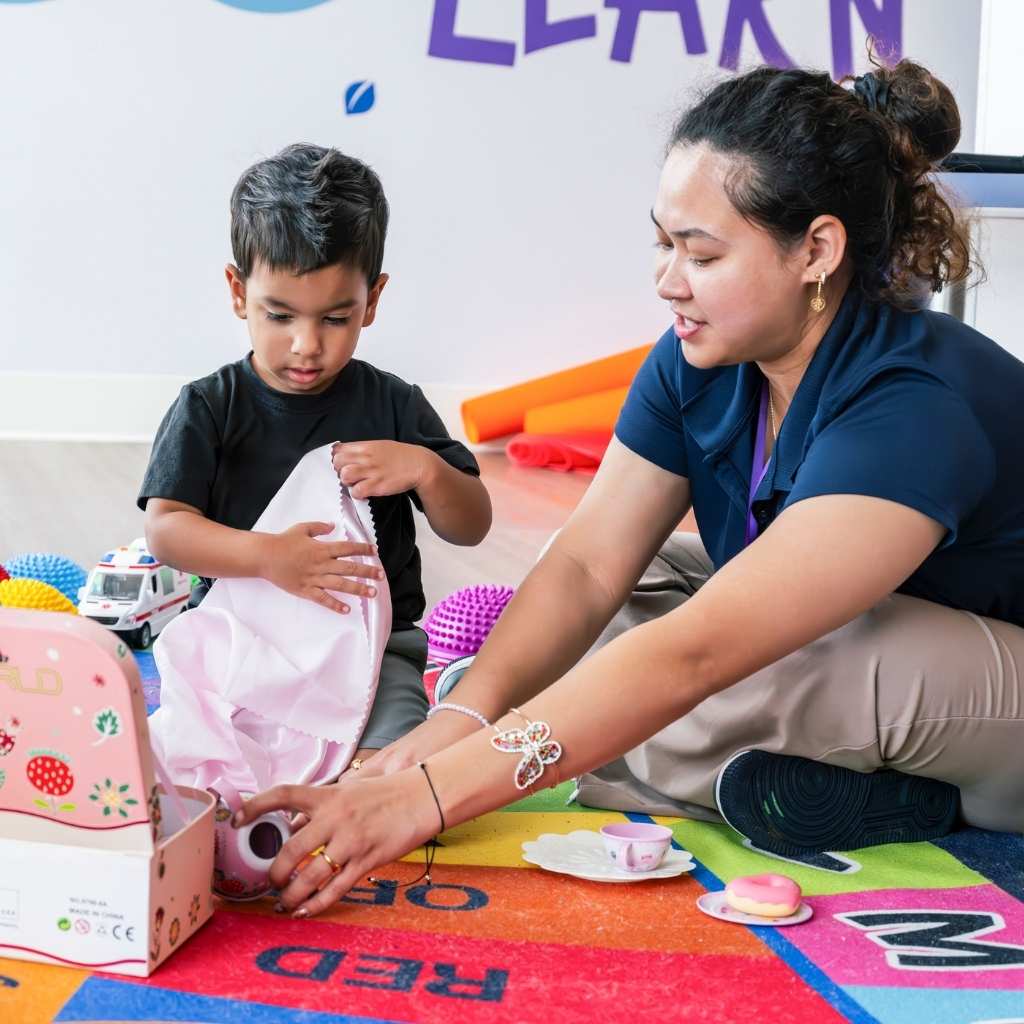
If you’re unsure which services may benefit your child, a professional consultation can provide clarity.
Schedule a consultation with ABA Centers of Connecticut today by clicking here or calling us at (844) 395-0448 to learn more about evidence-based options and determine the best path forward for your child.
And Remember…
While it is not a substitute for ABA therapy, autism support with music therapy can complement structured behavioral intervention and contribute to a comprehensive developmental plan. Music can create moments of connection that feel natural and joyful for you and your child.
Every child with autism is unique. The most effective approach is one that is individualized, evidence-informed, and guided by experienced professionals.